Al Qamra
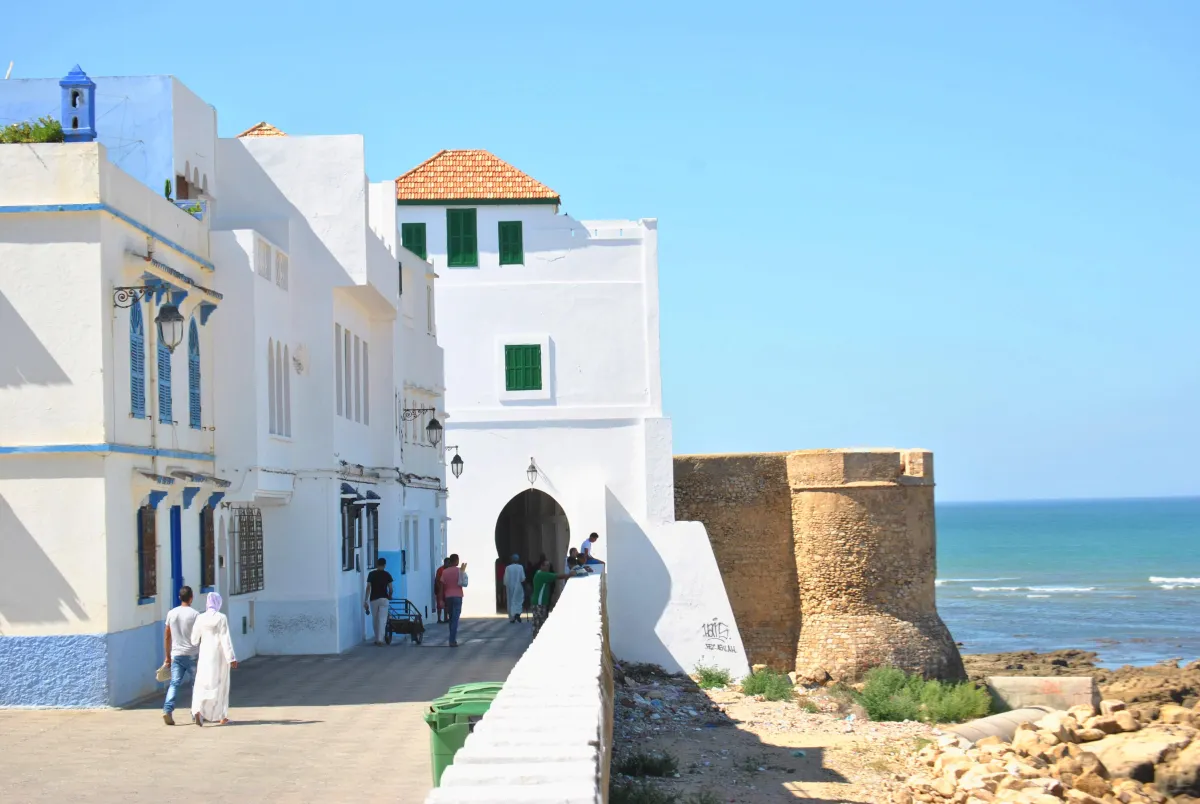
The square tower is one of the Medina’s historic landmarks and a reminder of Asilah’s Portuguese period.
Local guide · Asilah, Morocco
An artistic Medina, Atlantic beaches, ancient heritage and quieter local escapes — discover Asilah beyond the usual itinerary.
Asilah is best discovered slowly. Its white-and-blue Medina combines murals, art studios, galleries, crafts and layers of maritime history. Outside the centre, the Atlantic coast opens onto long beaches, cliffs, estuaries and several places better known by locals. This guide brings together the essential sights and a few more local ideas for your stay.
A compact maze of white-and-blue lanes where contemporary art meets old doors, small shops and historic ramparts.
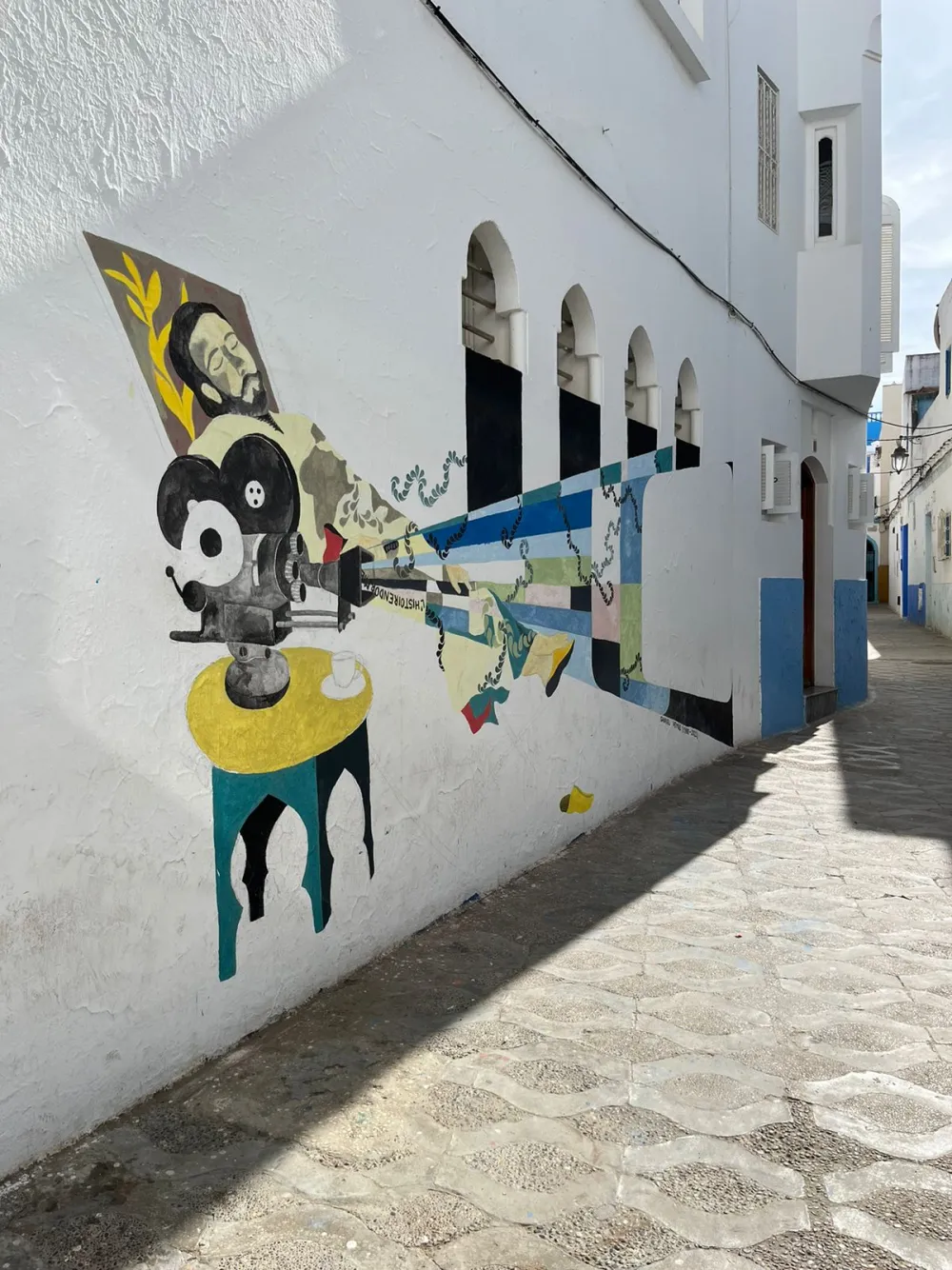
One of Asilah’s most distinctive features is that art is not limited to galleries. Murals appear across the Medina’s façades and change through the city’s cultural seasons. A simple walk can take you from a large wall painting to a tiny gallery, an artist’s workshop or a craft shop. Paintings and handmade pieces can also be purchased from local artists and shops.
The square tower is one of the Medina’s historic landmarks and a reminder of Asilah’s Portuguese period.
A favourite Atlantic viewpoint near the walls, especially beautiful around sunset.
An early-20th-century palace now associated with Asilah’s cultural life. Its architecture and decorative details make it worth seeing.
A cultural and exhibition space where visitors can discover art, events and elements of Asilah’s cultural history.
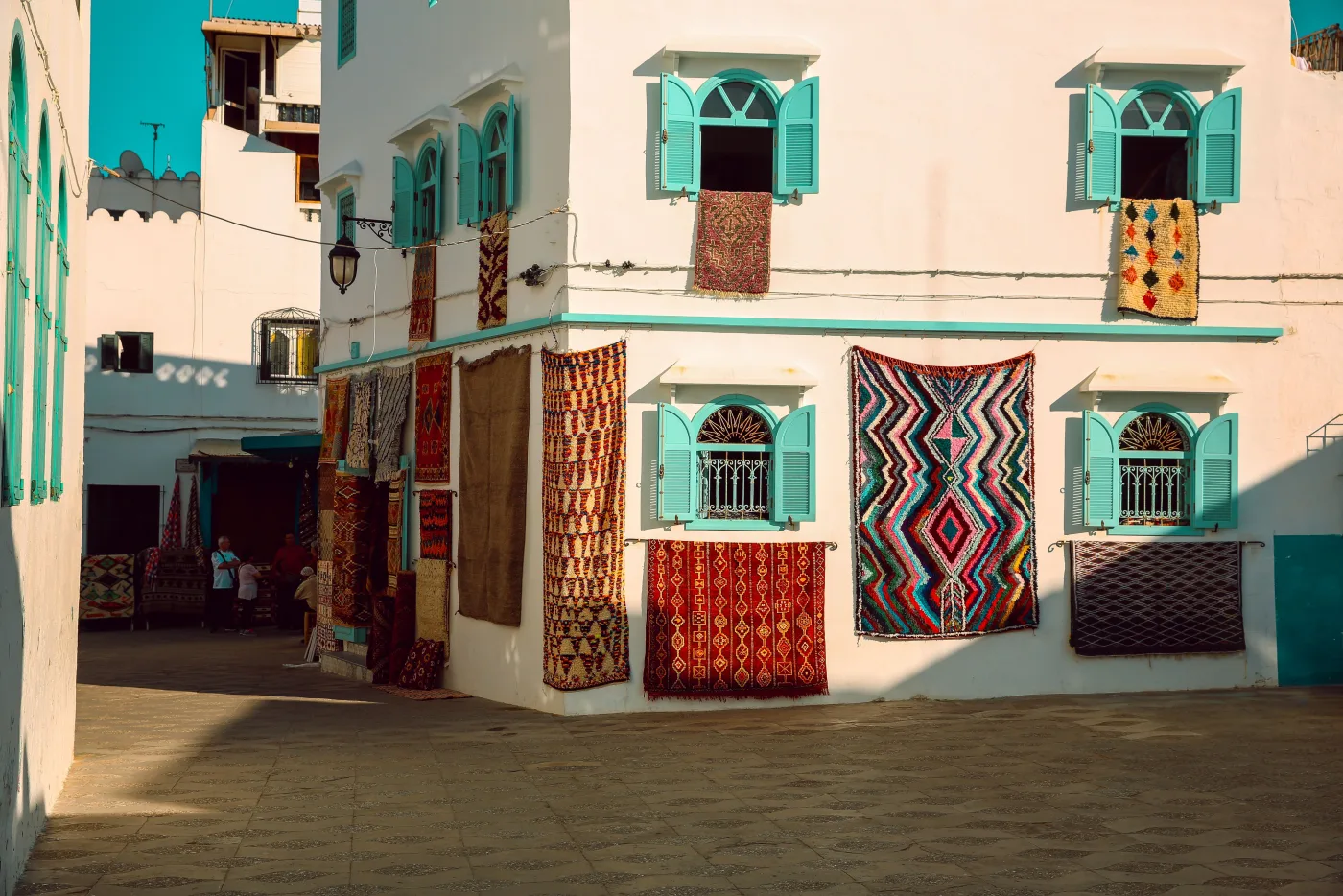
Carpets, ceramics, jewellery, clothing, decorative objects and small artworks can be found throughout the old town.
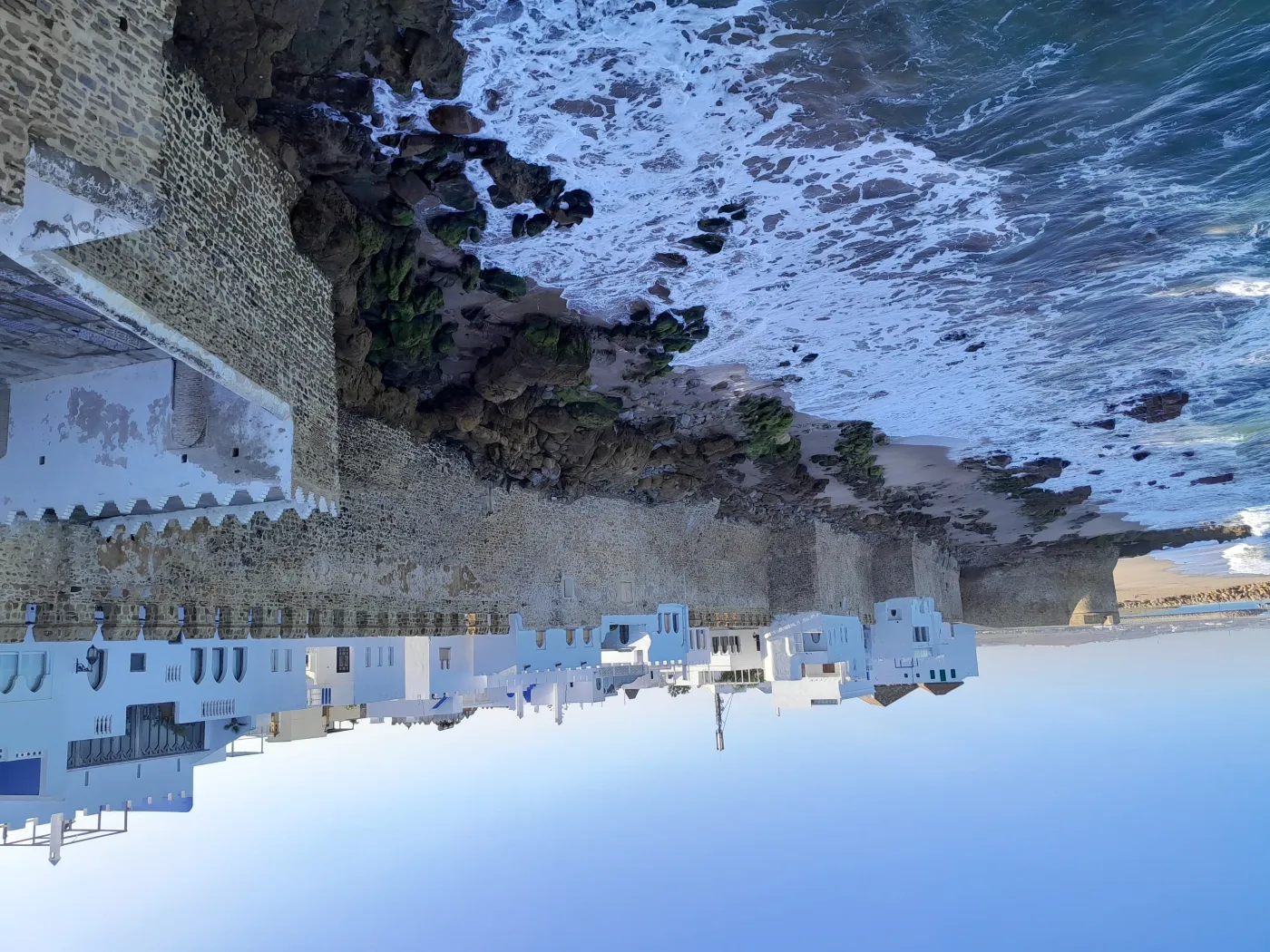
The fortifications frame the Medina and give Asilah its unmistakable character as a historic Atlantic stronghold.
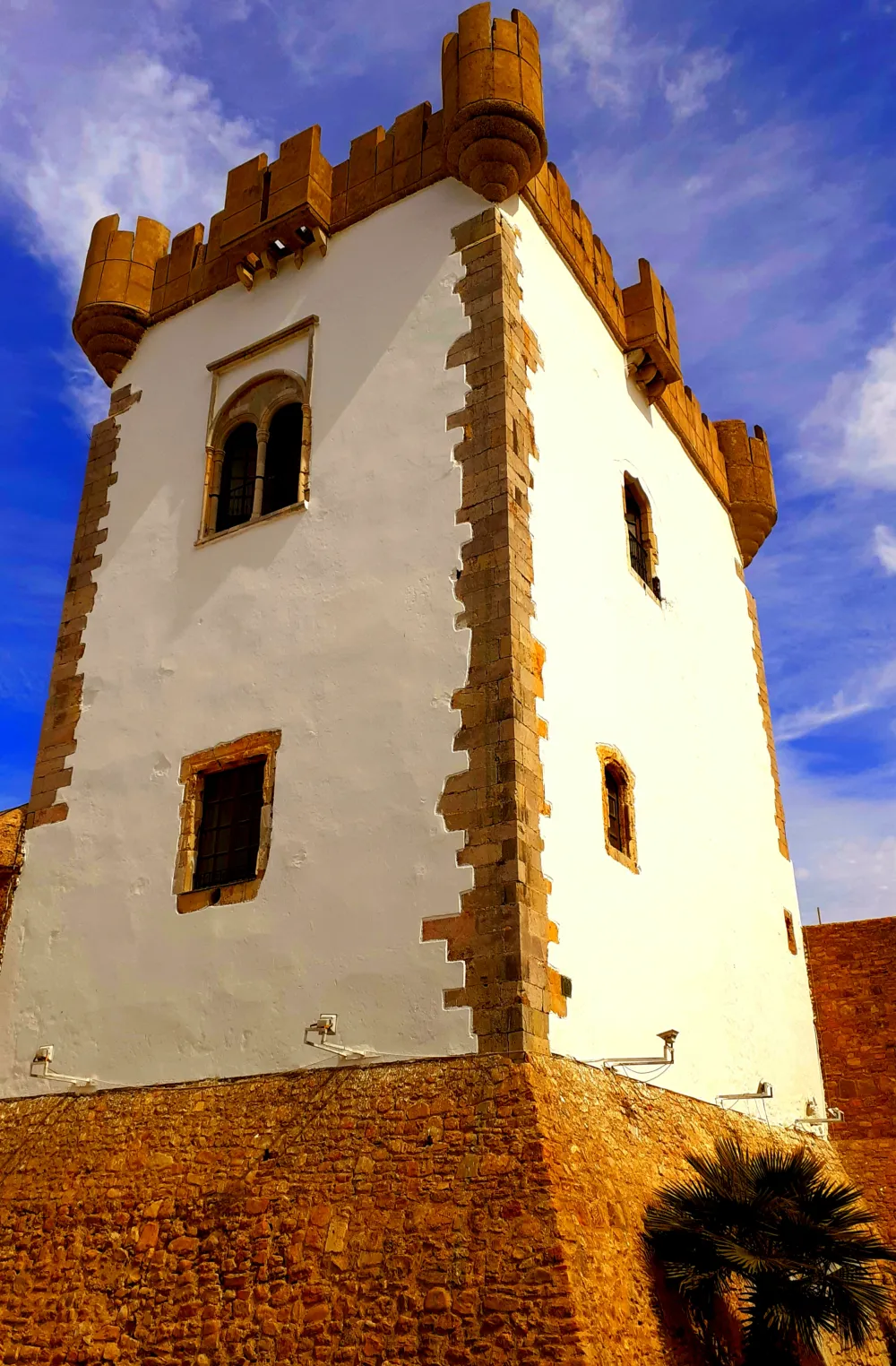
Al Qamra tower is one of the most recognizable landmarks in Asilah’s Medina. Its white silhouette and stone details reflect the city’s Portuguese heritage and make it one of the most memorable stops while exploring the historic center.
Around Asilah, the coastline alternates between long beaches, cliffs and more secluded stretches reached by car or taxi.
Names can vary between local usage and travel guides, but this stretch south of Asilah is sought out for its sand, cliffs and more natural setting. It is a good place to spend several hours outside town, swim when sea conditions are suitable and enjoy a more open Atlantic landscape.
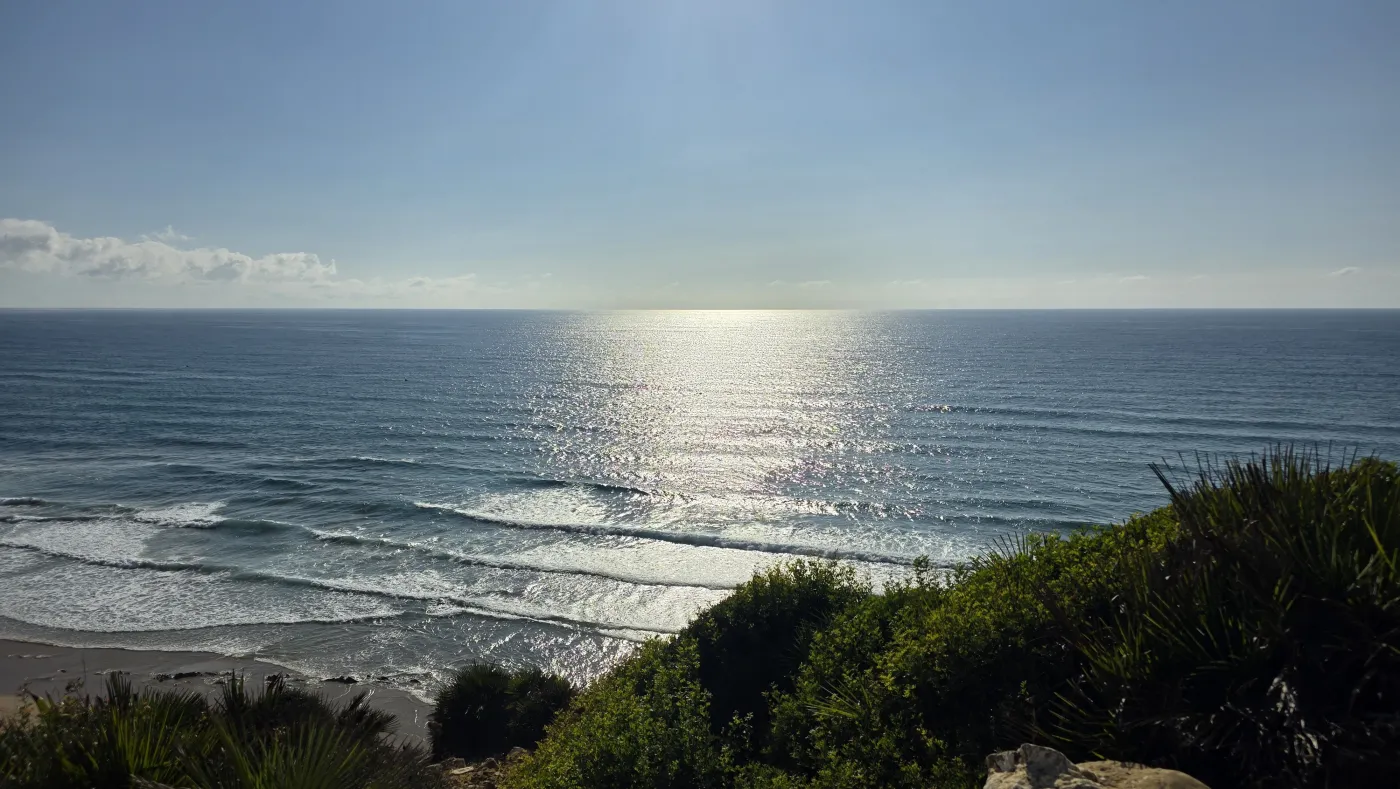
A broad beach south of Asilah, appreciated for its space and quieter atmosphere compared with the town beach.
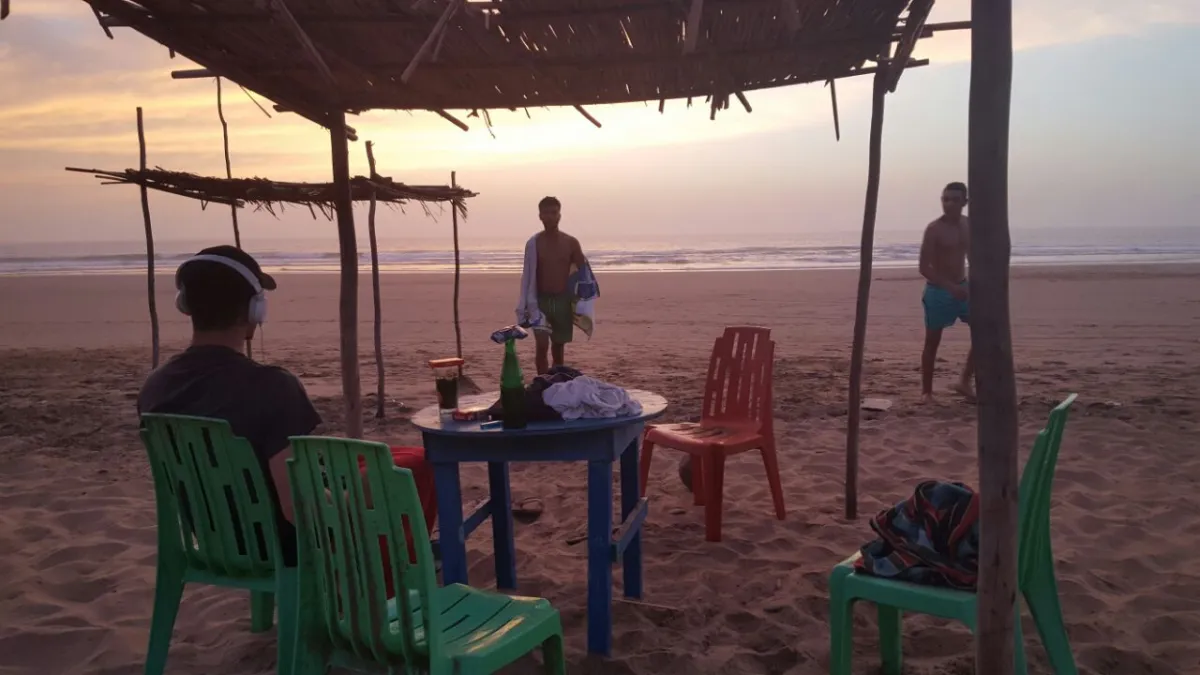
A more local coastal outing reached through the Mejlaw area. Chez Mounir is known locally as a place to settle in and enjoy the coast.
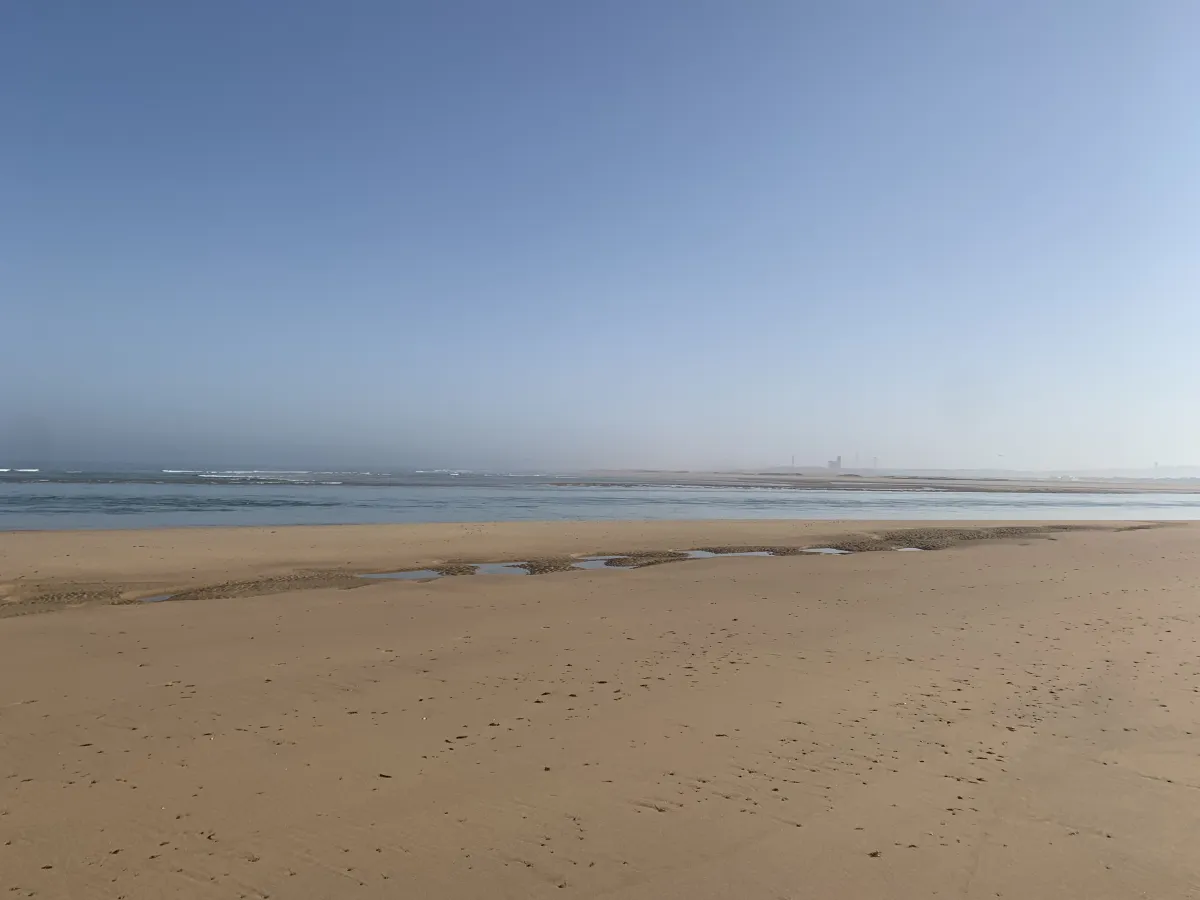
Where beach and estuary meet. When wind conditions are suitable, the area is also used for kitesurfing, wingfoiling and windsurfing.
The easiest choice for a seaside walk or some beach time without leaving town.
Art is part of Asilah’s modern identity and can be experienced both in the streets and inside its cultural venues.
Mural workshops, exhibitions, talks, music and cultural events regularly transform the town.
Medina walls become canvases for Moroccan and international artists, giving the old town a changing visual identity.
Raissouni Palace, the Hassan II Centre and smaller private spaces extend the art experience beyond the murals.
From the Medina’s fortifications to the stones of Mzoura, several layers of history can be explored around the town.
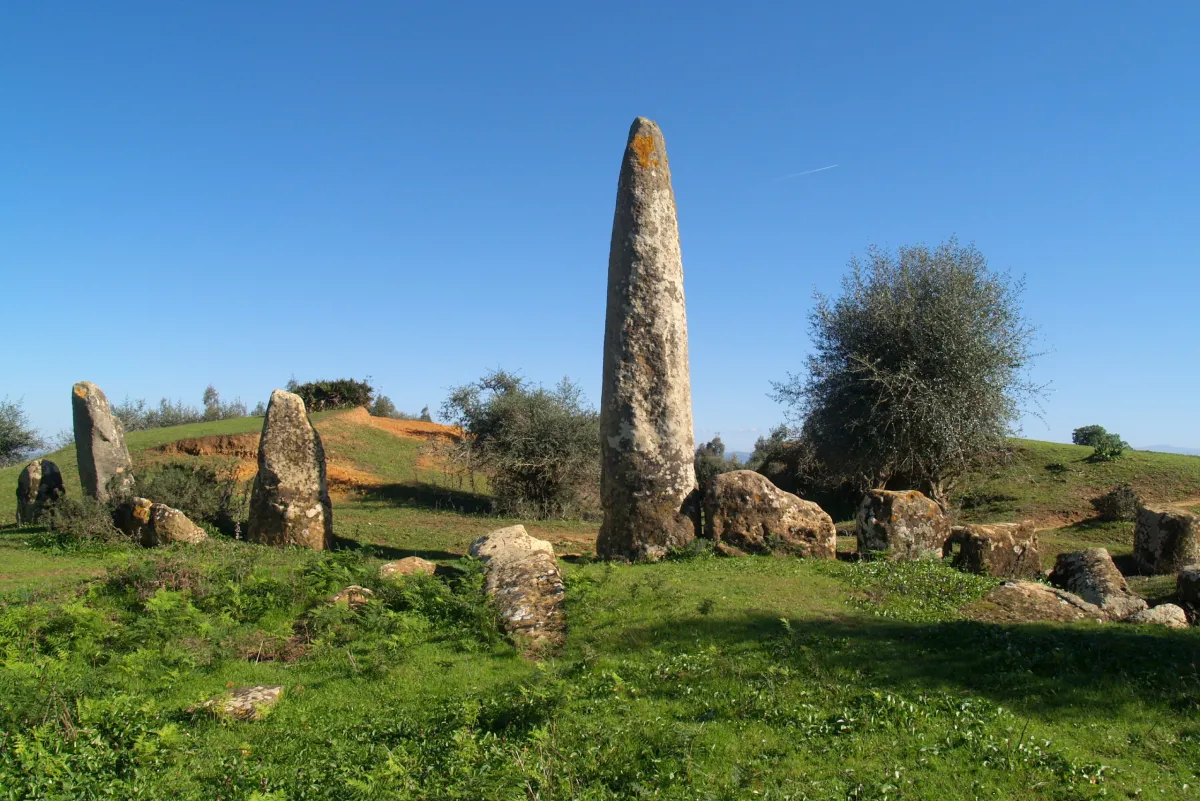
Outside Asilah lies one of the region’s most unusual archaeological sites: a ring of roughly 167 standing stones surrounding a large burial mound. One of the monoliths rises more than five metres. The site remains rural and far less developed than a conventional tourist attraction, which is part of its unusual atmosphere.
The Medina’s walls, bastions and gates are the most visible historic remains in central Asilah.
Travellers interested in military remains can also look for old defensive traces and coastal relics in this local area.
The tower remains one of the most recognisable architectural symbols of the old town.
Mzoura, Dghaliyene and some coastal areas are easier with a car. At undeveloped heritage sites, wear suitable shoes and avoid moving or touching historic remains.
A few simple choices make exploring Asilah and its surroundings much easier.
The Medina, Krikia, ramparts and central Asilah are easy to explore on foot.
A car is useful for Sidi Mghayet, Paradise Beach, Mzoura, Tahaddart and more isolated coastal areas.
Atlantic wind and sea conditions can change quickly. Check conditions before swimming or planning water sports.
Opening times for palaces, cultural centres and exhibitions may change around events, so confirm locally before visiting.
Explore our apartments in Asilah and choose the location, capacity and style that best fit your trip.
View apartments in Asilah